Arturo Izquierdo 4:56 pm No Comments
Fort Lauderdale’s Ambitious 33% Tree Canopy Goal by 2040 – Tips For Homeowners And How You Can Help
As a certified arborist working in Fort Lauderdale and across South Florida for more than 20 years, I’m used to talking about individual trees – one oak, one palm, one ficus that’s getting too close to a roofline.
But as a community we have to be thinking bigger than individual trees.
That’s why the City’s Urban Forestry Master Plan sets a clear target:
33% tree canopy coverage by 2040
That sounds simple. One-third of the city shaded by trees.
In practice, it’s a massive effort.
And it’s going to affect what gets planted, what gets preserved, and how neighborhoods look and feel over the next 15 years.
I personally believe that this ambitious goal won’t be achieved solely by planting new trees. In my opinion, what’s just as important as new plantings is keeping existing mature trees healthy and safe.
First: where are we starting from?
Fort Lauderdale’s current canopy estimate is 26.6% (2024), according to the City’s Urban Forestry Master Plan FAQs.
So the gap isn’t small.
Going from 26.6% to 33% sounds like “just a few percent,” but the actual effort is enormous because canopy isn’t measured by how many trees you plant – it’s measured by how much leaf cover exists over the city.
And leaf cover takes time.
How many trees are we talking about?
Public reporting about the City’s plan (based on consultant work tied to the proposed master plan) puts the order of magnitude at up to ~276,000 additional trees needed by 2040 to hit that 33% canopy target.
That number surprises people, but it makes sense when you consider two realities:
- Not every planted tree survives (especially when planted wrong or watered inconsistently).
- Not every tree becomes a big canopy tree. Palms and ornamentals have value, but they don’t move canopy percentages the way long-lived shade trees do.
Why the City is doing this
The City’s messaging is straightforward: more canopy means more shade, cleaner air, and a more beautiful city.
From my professional perspective, the biggest benefits Fort Lauderdale residents actually feel are:
- Cooler streets and yards (shade reduces heat buildup dramatically in summer)
- Better stormwater performance (trees help intercept rainfall and support healthier soils)
- A healthier, more resilient city during heat waves (urban heat islands are a real thing here)
- Long-term property comfort and neighborhood livability (trees make outdoor spaces more beautiful and enjoyable)
The City’s FAQ also frames canopy as part of climate resilience – helping reduce heat island impacts, air quality issues, and flooding stress.
What might determine the success: preserving existing mature trees
If Fort Lauderdale wants meaningful canopy by 2040, here’s what I think is an important consideration:
A tree planted in 2026 doesn’t provide real canopy for years.
The mature trees already providing shade today are doing the “heavy lifting” in terms of canopy coverage.
So the “fastest” path to 33% isn’t just new plantings – it’s also:
- Avoiding unnecessary removals
- Preventing construction damage to roots
- Using correct pruning standards (and avoiding tree abuse)
- Identifying risk early so a tree can be managed safely instead of removed late
That’s also where homeowners have more power than they think.
The city can plant on public land, but a huge portion of Fort Lauderdale’s canopy lives on private property.
So what can residents actually do?
1) Plant a tree in the easiest place: the swale
Fort Lauderdale actively supports homeowners to get trees planted in the public right-of-way swales, through it’s Adopt-a-Tree Program.
The way this program works is pretty simple:
The City provides and plants a tree, while the homeowner agrees to water and maintain it.
If you’ve got a good planting spot, this is one of the highest-impact ways to help.
2) Protect the trees you already have
If you have a large shade tree that’s healthy and structurally sound, that tree is already contributing canopy today.
The best thing you can do is:
- Keep it maintained properly
- Don’t let contractors compact soil or trench through root zones
- Address problems early (deadwood, weak unions, overextended limbs, etc.)
3) Stop “pretty pruning” and start “storm pruning”
Fort Lauderdale is a wind-and-storm city. A lot of removals happen after years of improper pruning that leaves a tree structurally weakened.
Good pruning is about:
- Structure
- Balance
- Risk reduction over time
Not making a tree look “tight” for a month.
4) Plant the right species for the right place
This is where some well-meaning homeowners lose the plot.
A tree that outgrows its space inevitably becomes a future removal, and sometimes faster than you might expect.
A tree that fits well into your backyard or garden, even when fully grown, becomes a beautiful, mature tree with decades, possibly centuries to live.
Fort Lauderdale’s own guidance emphasizes matching species to the conditions – salt, pollution tolerance, and soil/water needs.
What to Expect If the City Follows Through
If the City follows through on the plan’s framework and implementation, I expect to see three things happen:
- More planting in heat-stressed neighborhoods where shade is needed most
- More emphasis on preservation during development and road projects
- More homeowner participation through tree programs and better tree care habits
The goal is absolutely doable – as long as the plan is supported by consistent action over time regarding these three aspects.
Want help supporting the canopy goal on your own property?
If you want to do your part but you’re not sure where a tree should go, what species makes sense, or whether your existing trees are worth preserving, that’s exactly what my team and I help property owners with every day.
At Tree Motion, we evaluate your site, your trees, and your constraints – then we give you a clear plan that puts safety first, while still respecting appearance, shade, and long-term canopy growth that actually adds value to your property and the surrounding neighborhood in Fort Lauderdale.
If you’d like guidance tailored to your property, feel free to reach out.
I’m always happy to help with honest, professional tree care here in Fort Lauderdale, and you can also learn more about how we support homeowners and businesses on our Fort Lauderdale tree service page.
Arturo Izquierdo
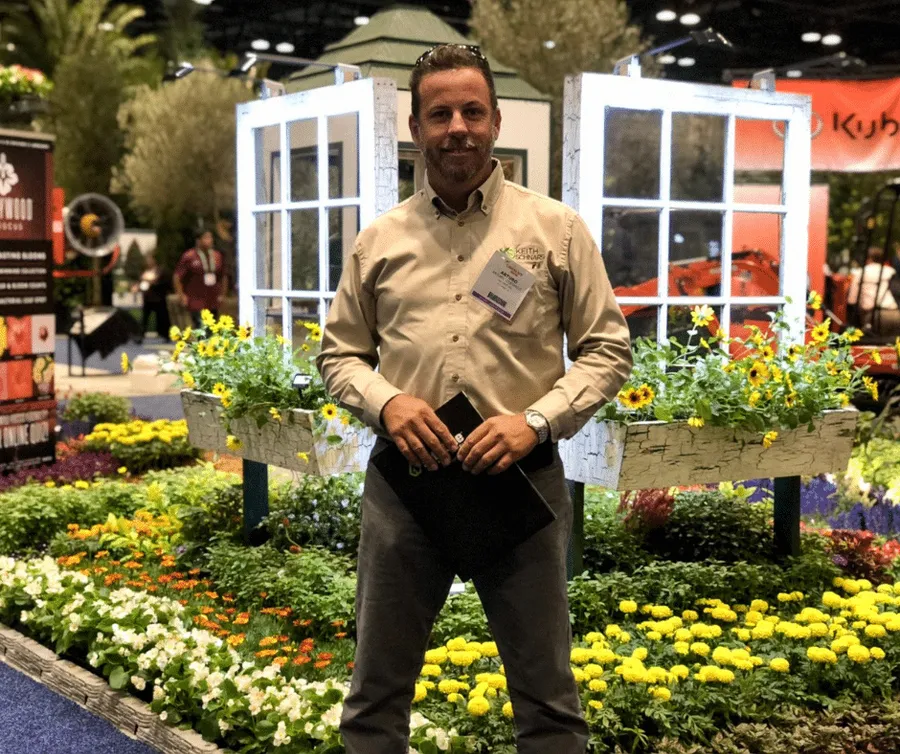
Arturo is an ISA-Certified Arborist and advisory board member for the University of Florida’s Commercial Horticulture program for Broward and Palm Beach County. With 20+ years of experience in the tree care industry, he provides expert guidance on tree care, risk assessment, and proper landscape practices. He is also the owner of Tree Motion LLC, a Fort Lauderdale based tree care company.